A smile is a charming way to speak to people without saying a single word! However do you really know what it takes to create a perfect new smile through prosthetics that allow for a combination of aesthetics and comfort during functional processes?

Many people visit the dentist to get a new smile. To many that process seems relatively fast and somewhat simple for the result theyre getting. However what many patients dont know is how tedious and geometrically challenging that process may be.
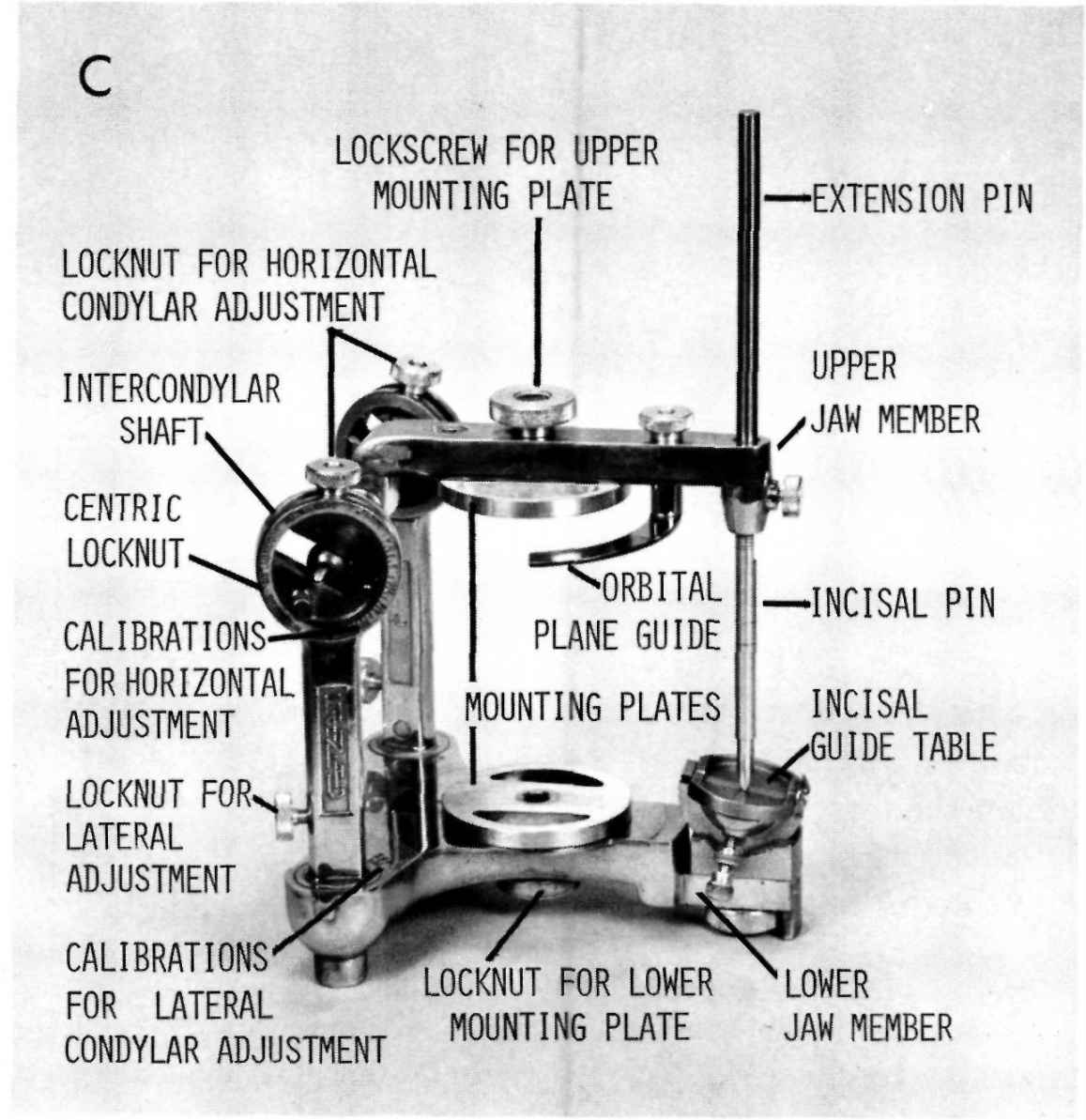
Normally an impression of the current teeth is taken and mounted on an articulator; a device that helps us (mainly the technicians) mimic the upper and lower jaw relations of a patient outside their mouth, with visibility to areas from different angles that would simply be impossible in a patients mouth. The reason this device is important is because in certain cases patients have challenging bites, as a result certain things need to be altered in the tooth preparation or the fabrication of the crown/veneer in order to provide the results that patient wishes for.
That being said there are a few different uses of the articulator in dentistry besides the most obvious one. They are firstly to hold the mandibular and maxillary casts in a determined fixed relationship, this is the main simple function. Related to the previous point, they are used to mount casts for diagnosis, treatment plans and for patient presentation and explanation/education. Another basic use of the articulator which is a fundamental necessity when producing prosthetics is to configure the jaw movements such as opening, closing and lateral protrusions.
There are a few different types of articulators, the main types dealt with are fully adjustable articulators, semi adjustable articulators, anatomical articulators, adjustable articulators and disposable articulators. The first two mentioned above are the most commonly used and the difference between them is that the semi adjustable lack the ability to change the intercondylar distance, whereas the fully adjustable articulators do not have this impairment.
Once the final impression is taken with the prepared teeth the lab will mount that on to the articulator with the patients jaw relation parameters set and start the fabrication of the crown/veneer, checking if there are interferences or alterations to the patients bite. Those checks are done throughout the fabrication, but ultimately a final check is done before they are ready to be placed in the patients mouth.
 Dental space